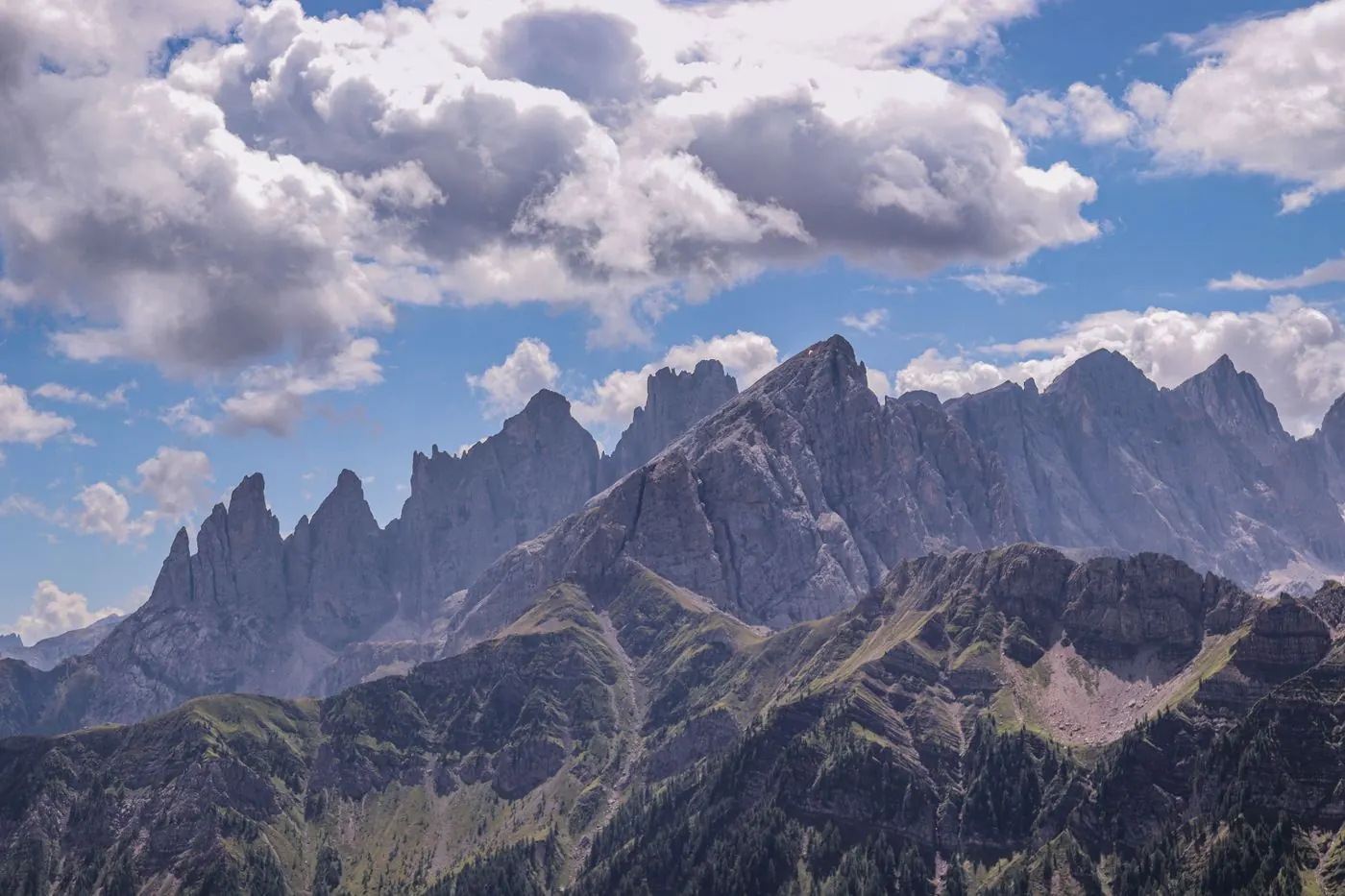
Example route · Italy
Italy in two weeks, by train and bus
Rome first, where most trips begin, then the coast for the slow days and north up the spine to the mountains, with the nights split so the cities get room to breathe.
- 14
- 5
- Summer
- Train, Bus
Why this route
Most first Italy trips die by ambition. Seven cities in two weeks sounds rich and lives like a luggage relay, so this one holds at five stops and lets Rome keep four nights. It starts where the flights land: Rome first, then down to the coast for the slow days, then north up the spine in short morning trains to Florence, Venice and the mountains.
It is rail between the cities, and that is not a gimmick: Rome, Florence and Venice sit on one fast line, and a train into Florence beats returning a rental car in the middle of it. The coast and the mountains are the two exceptions, where the last stretch is by road or by sea, and the notes below say how each one works. The two mountain nights at the end are the part people skip and then regret. Keep them.
The stops, and why each one
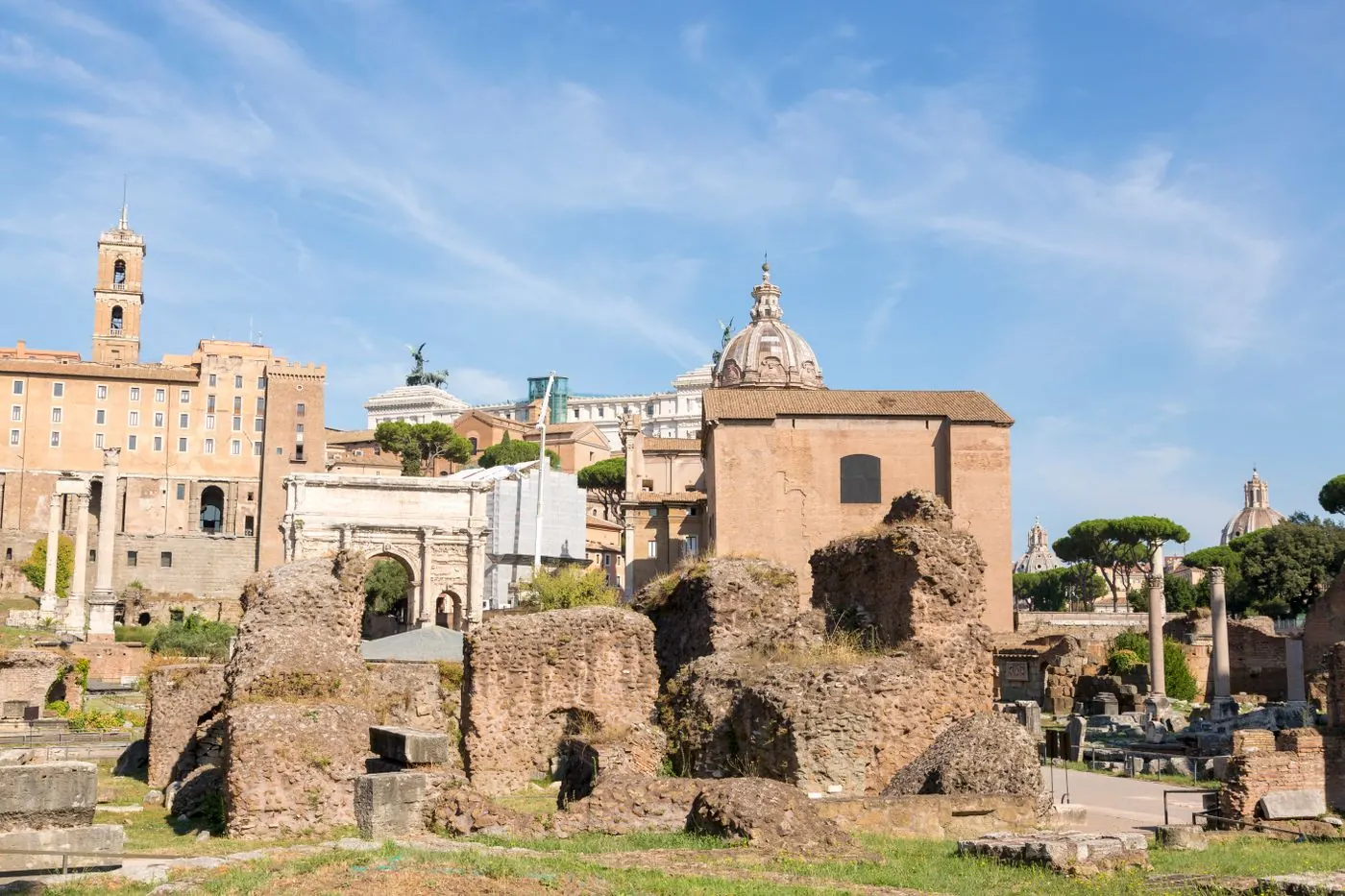
RomeLazio · 4 nights
Picked for the culture and food this route is built around. Known for Pantheon and Trastevere dinner.
- Pantheon A working temple turned church, and the oldest roof of its kind still standing. Stand under the hole in the dome and wait for rain if you can: the floor is built to drain it. Best early, before the square fills.
- Trastevere dinner The old riverside quarter, ivy and cobbles, where Romans eat when they are not entertaining anybody. Cross after dark, pick a street away from the main square, and order whatever is chalked up rather than printed.
- Vatican Museums
- Colosseum
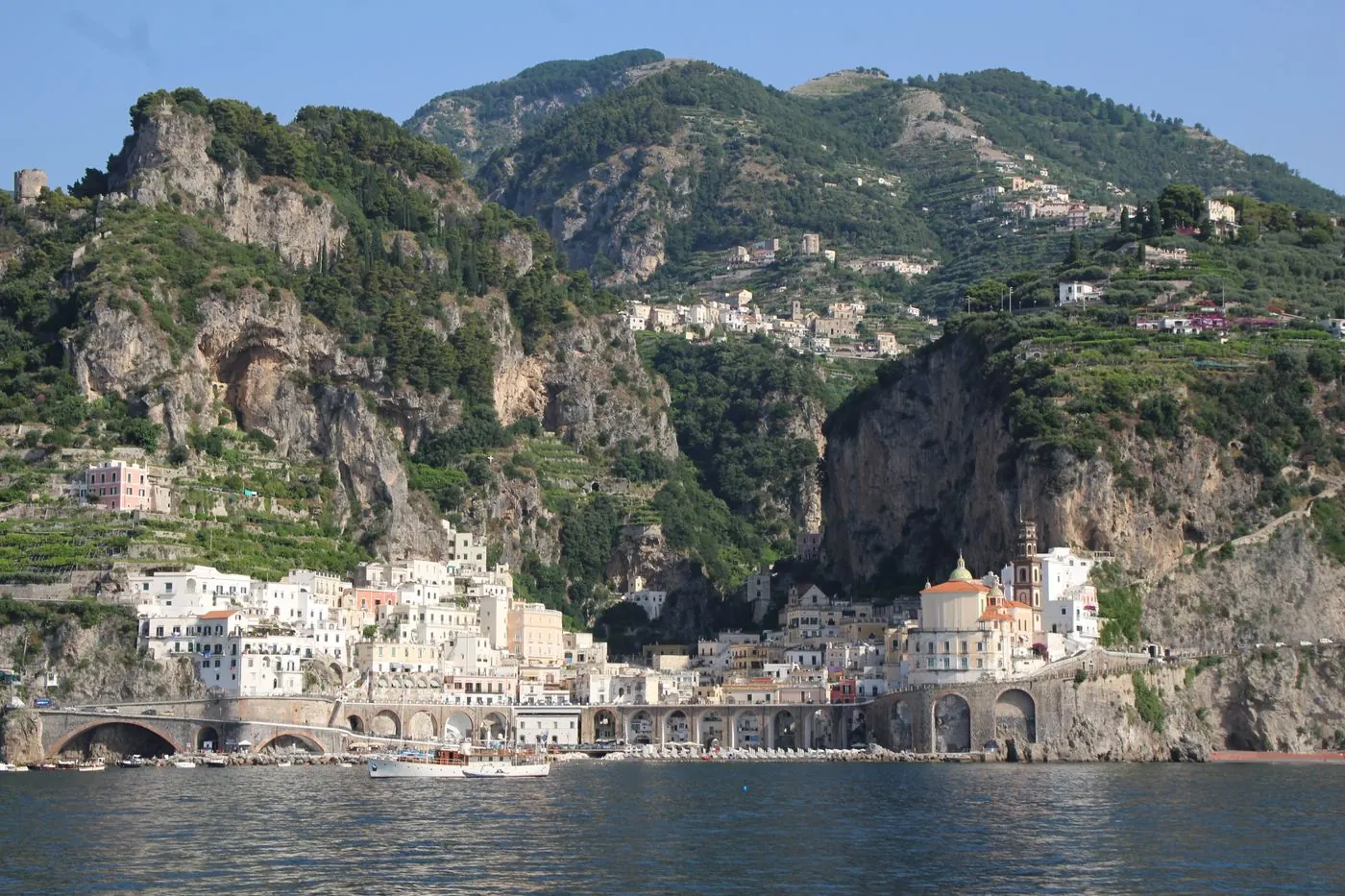
Amalfi CoastCampania · 3 nights
A coast stop on this route. Known for Path of the Gods and Positano.
- Path of the Gods The cliff path from Bomerano down to Positano, looking out over the whole coast. Walk it downhill in the morning, in shoes you trust, and take more water than seems reasonable. Work out how you will get back before you set off.
- Positano The postcard town: houses stacked down a cleft to a small grey beach. Everything is steps, so pack light and stay the night rather than day-tripping in and out.
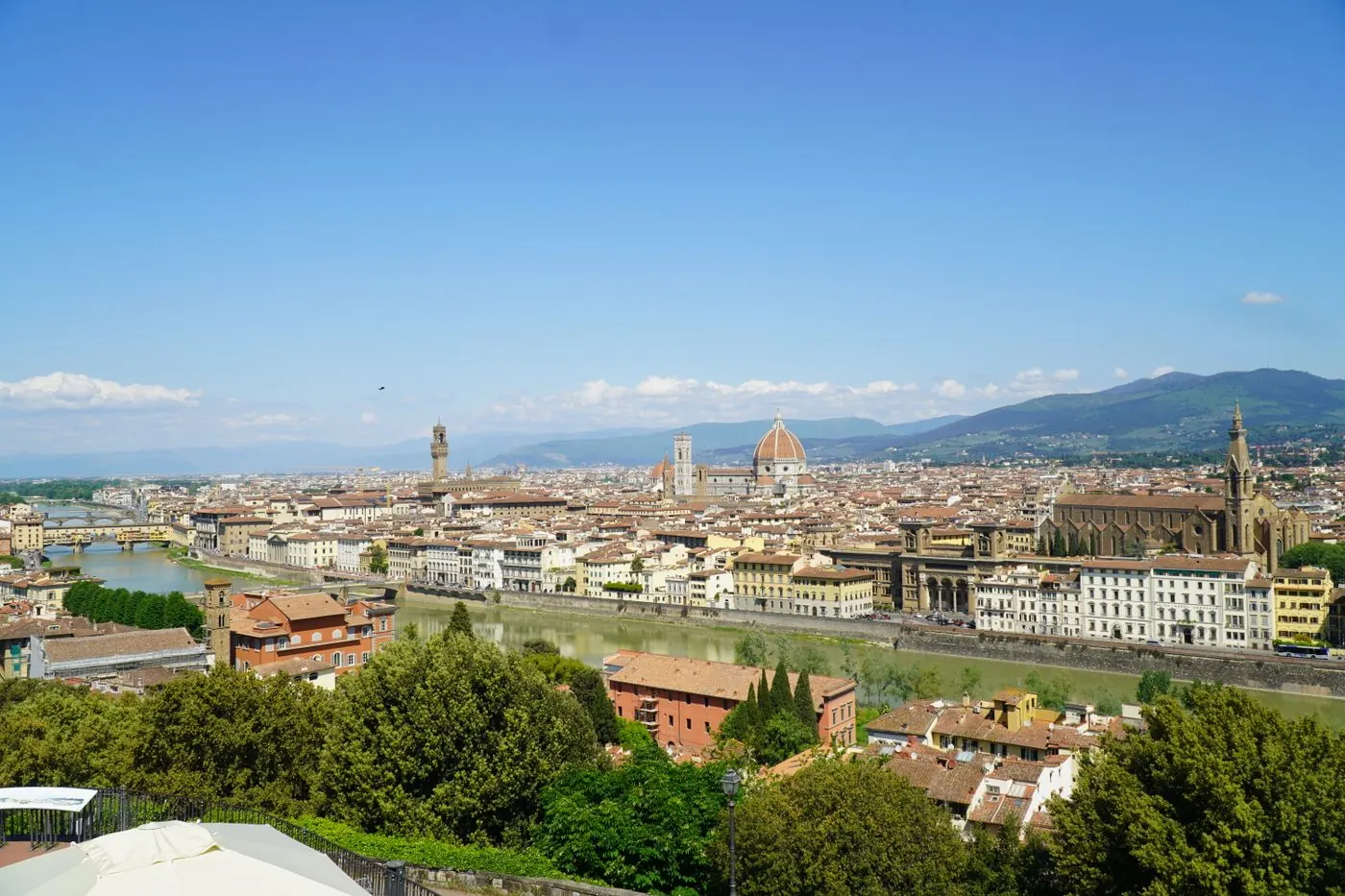
FlorenceTuscany · 3 nights
Picked for the culture and food this route is built around. Known for Uffizi and Mercato Centrale.
- Uffizi The Medici family's collection, hung in the offices they built for running Tuscany. Botticelli and Caravaggio are the draw. Choose a few rooms rather than trying to see them all: nobody does and everybody tries.
- Mercato Centrale The city's food market: butchers and cheesemongers below, a rowdy hall of stalls above. Lunch here beats lunch anywhere near the Duomo, and it is a place where the tourists and the locals are eating the same thing.
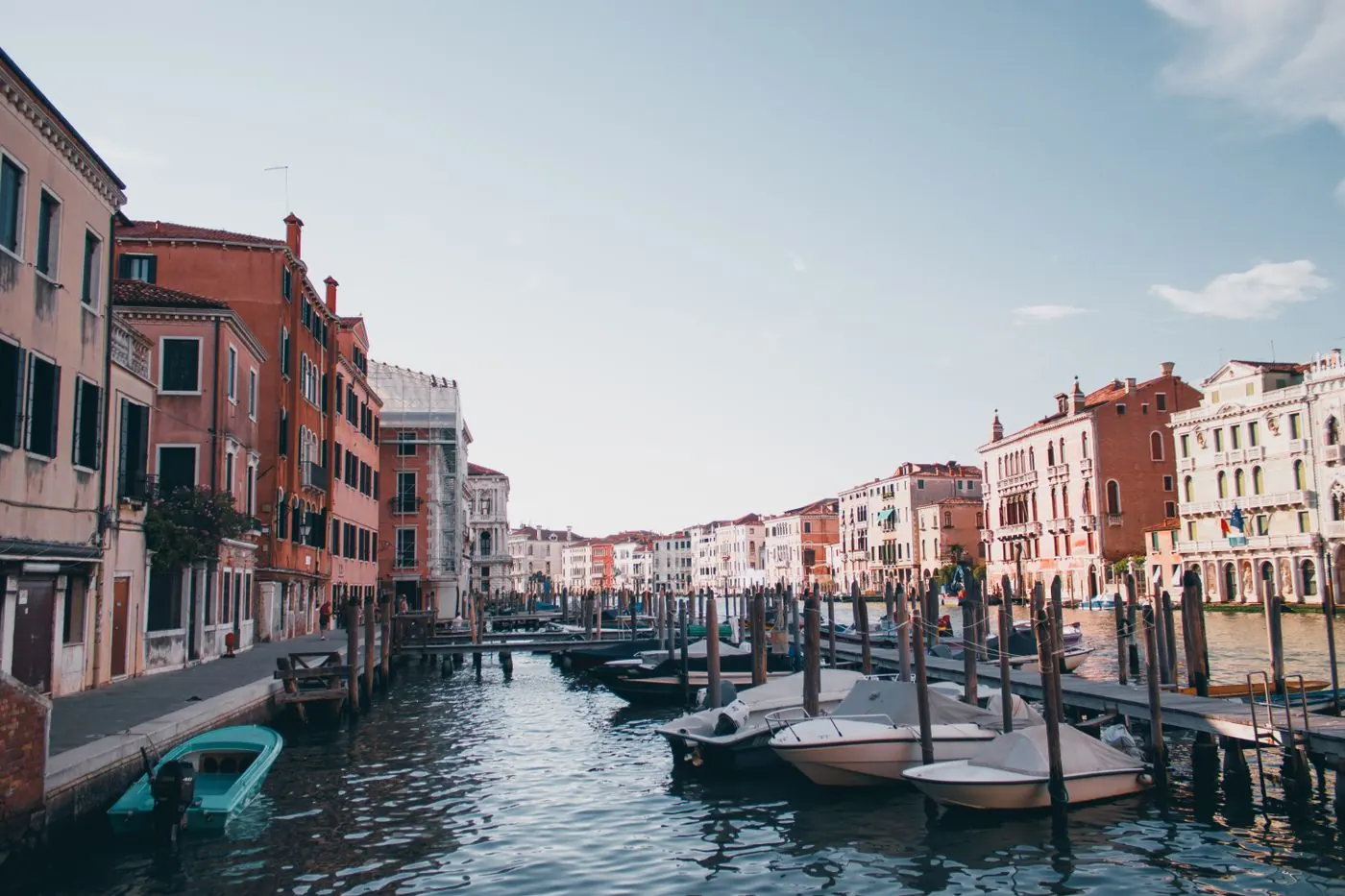
VeniceVeneto · 2 nights
Picked for the culture and food this route is built around. Known for Cannaregio bacari and Torcello.
- Cannaregio bacari The northern quarter, where Venetians actually live, and the bacari are its wine bars. The drill is a small glass and a plate of cicchetti standing up, then on to the next one. Two streets back from the water it gets quieter and more local.
- Torcello One of the lagoon's first settled islands, now a handful of buildings, a cathedral with a wall of gold mosaic, and grass. Out across the lagoon and almost empty, which is the whole point after a day in San Marco.
DolomitesAlto Adige · 2 nights
A park stop on this route. Known for Tre Cime loop and Alpe di Siusi.
- Tre Cime loop Three limestone towers with a well-made path all the way round them. Anticlockwise puts the best face in front of you for longest. It is high mountain country, so conditions change fast: check before you commit.
- Alpe di Siusi Europe's largest high meadow: hay barns, cows, and the Sciliar rising out of the grass behind them. It is a place for wandering rather than for ticking things off, and the quiet is the point.
Worth knowing
- The railway stops short of the Amalfi towns themselves, so the last stretch from Naples or Salerno is by road or by sea. Check the current options before you go, and count that day as part of the trip, not an obstacle to it.
- Two companies run fast trains on the main lines, Trenitalia and Italo. Compare both for the long legs before you settle on one.
- Rome and Florence hold more museums than two weeks can. Decide which two or three you care about, read their own pages before you go, and leave the rest of the plan loose.
- The Dolomites are the one stop the main railway does not reach, so the last leg up is by road. This route is a summer one because the high walking is at its best then; check what is open for your dates before you go.
- Pack light enough to carry your bag up steps on the coast, because there will be steps.
Questions people ask
Is two weeks enough for Italy?
For this Italy, yes. It is enough for five places done properly. It is not enough for those five plus Sicily plus the lakes, and pretending otherwise is how trips turn into transfers.
Do I need a car?
No, and for the cities a car is a liability. The one place a car earns its keep is the Dolomites; you can also get there with a train to the edge of the mountains and a bus up, just with less freedom on the high roads.
Can I run it in reverse?
Yes. Fly into Venice and out of Rome and it runs backwards just as well: mountains first, the coast as the finale. The legs stay the same length either way.
What it costs
€1,434 each · €205 a night
Planning range: €2,438 to €3,442. A rule of thumb, not a statistical interval: fifteen per cent below to twenty per cent above the estimate. It does not adjust for season, and final costs can fall outside it.
Not in this total: travel insurance, getting around inside each place: taxis, metro and buses, activities and entry fees, tips, visas and city and resort taxes. Getting to Rome is not in it either: that depends on where you start. How these figures are estimated
Getting around
- Bus to Amalfi Coast · 4h5min · 171 mi
- Bus to Florence · 7h45min · 337 mi
- Train to Venice · 2h40min · 154 mi
- Bus to Dolomites · 2h10min · 86 mi
Day by day
One card per night. The hours are what the plan gives each outing, an estimate for pacing the day rather than how long a place takes. Unplanned days say so, because a printed lie about a museum helps nobody.
- D1Rome
- Arrive and settle in
- Nothing is planned on arrival day, because nobody has said when that is.
- D2Rome
- Pantheon · 2h30min planned
- D3Rome
- Vatican Museums · 3h planned
- D4Rome
- Trastevere · 2h planned
- D5Amalfi Coast
- Bus from Rome · about 4h5min
- Amalfi Cathedral · 1h30min planned
- D6Amalfi Coast
- Path of the Gods · 2h planned
- D7Amalfi Coast
- Positano · 2h planned
- D8Florence
- Bus from Amalfi Coast · about 7h45min
- D9Florence
- Uffizi Gallery · 2h30min planned
Cross the river. Santo Spirito is where Florence eats and drinks without an audience, and the climb to Piazzale Michelangelo pays at dusk.
- D10Florence
- Mercato Centrale · 1h30min planned
- Piazza della Signoria · 1h planned
- D11Venice
- Train from Florence · about 2h40min
- Torcello · 2h30min planned
- D12Venice
- Cannaregio · 2h planned
- D13Dolomites
- Bus from Venice · about 2h10min
- Alpe di Siusi · 2h30min planned
- D14Dolomites
- Tre Cime di Lavaredo · 3h planned
A hut lunch after a walk you choose that morning from the weather. This is the one stop where the plan should be decided at breakfast.
Other routes
- Japan Itinerary: 14 Days, Tokyo to KansaiTokyo, an onsen night in Hakone, then Kyoto and Osaka to finish. Every leg by rail, every day planned, and every cost labelled as an estimate.
- American Southwest Itinerary: 10-Day Road TripLas Vegas, Zion, Bryce, Page and the Grand Canyon as one loop: drive times, two nights per park, a day-by-day plan and an estimated budget for two.
- Portugal Itinerary: 10 Days by TrainPorto, Lisbon and the Algarve as three bases, with the nights, the rail legs, a day plan and an estimated cost laid out before you commit to anything.
Make it yours
Open it in the planner, swap a stop or stretch a city, and the budget follows. Re-plan to bring the nights and the legs up to date.