Japan in two weeks
Tokyo, the mountains, then Kansai. Trains the whole way, and four nights in Kyoto because that is what Kyoto takes.
- 14
- nights
- 5
- stops
- Spring
- best in
- Train
- getting around
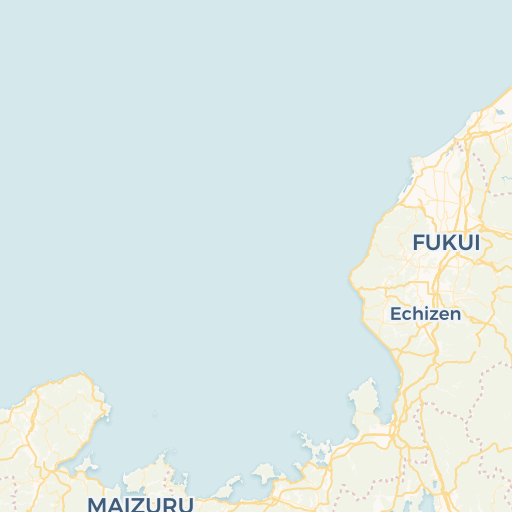
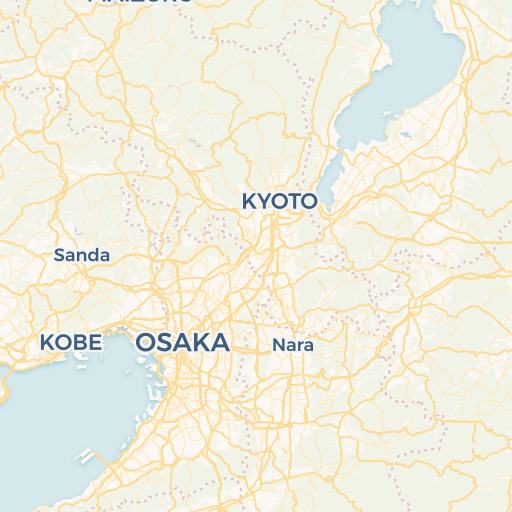
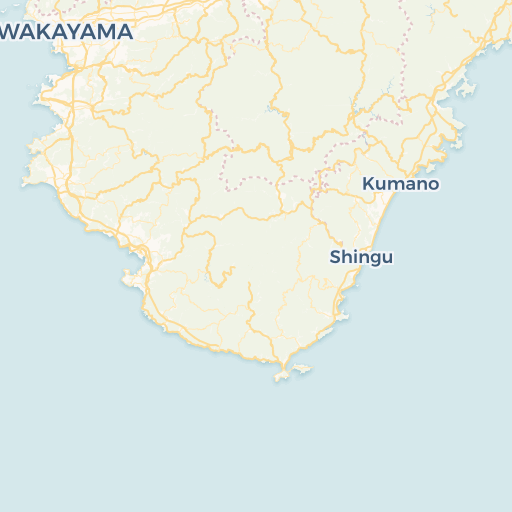
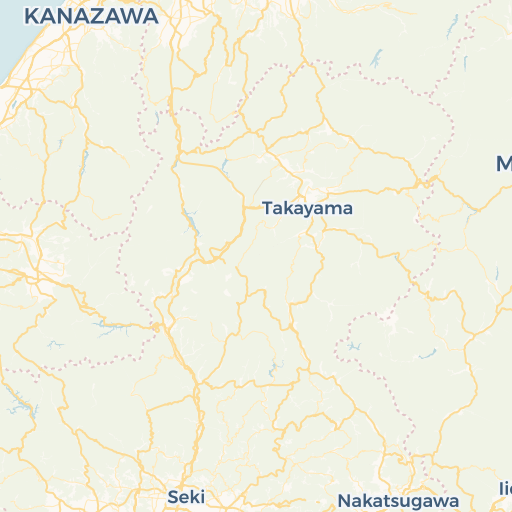
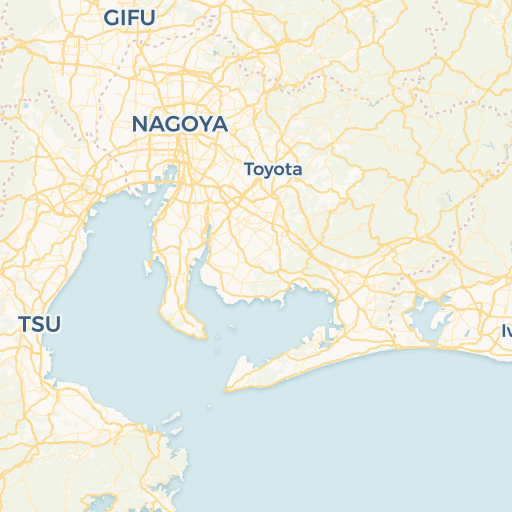
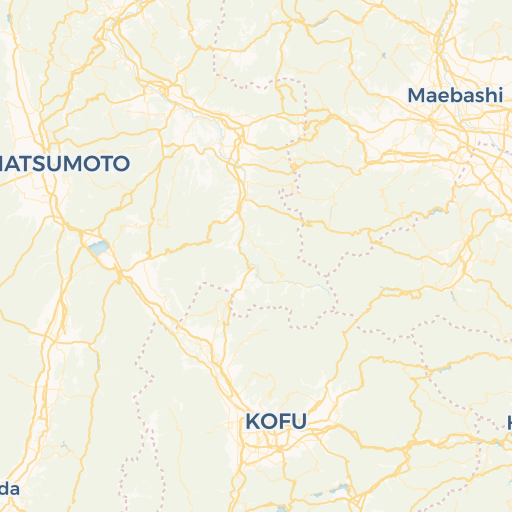
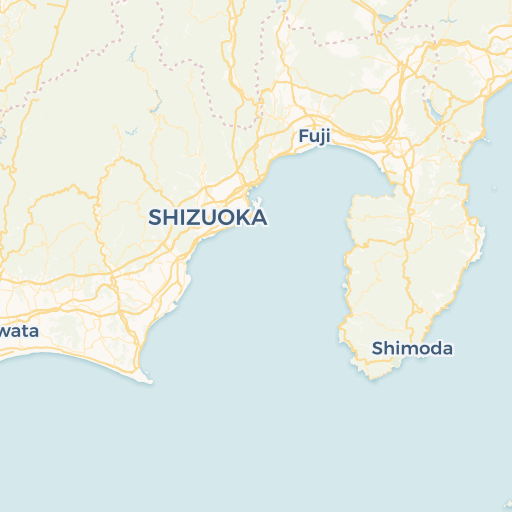

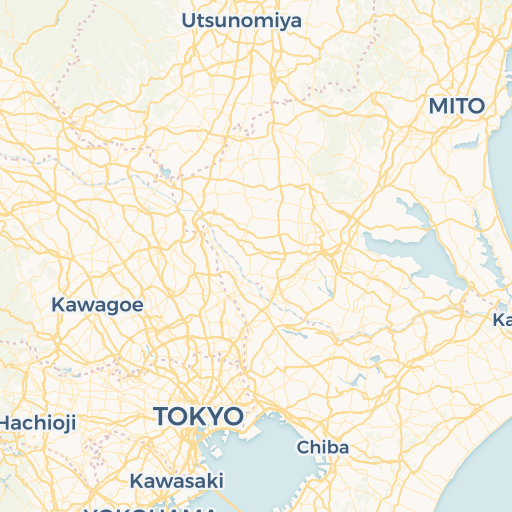
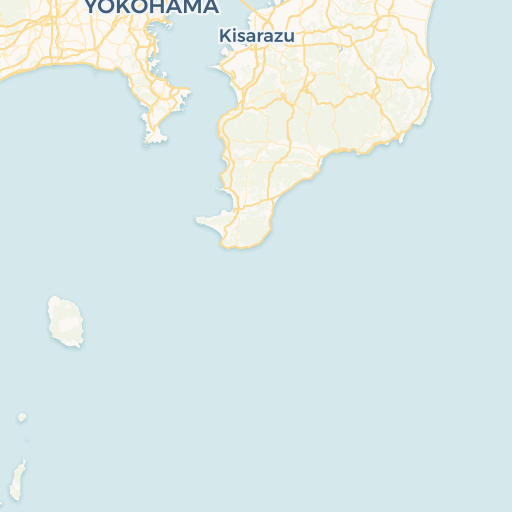
 12345TokyoFuji Five LakesHakoneKyotoOsaka
Why this route
This is the classic first Japan route, and it is classic because it works: Tokyo, the mountains around Fuji and Hakone, then Kansai. The nights are split four, two, two, four, two, which sounds uneven until you live it. Tokyo and Kyoto absorb whatever you give them; the mountain stops are two-night resets between them.
Everything moves by train, because in Japan that is not a compromise, it is the good part. The one decision this route makes for you is Kyoto at four nights. Three feels like enough on paper. It is not.
The stops, and why each one
TokyoKanto · 4 nights
Picked for the culture and food you asked for. Known for Tsukiji outer market and TeamLab.
- Tsukiji outer market The stalls that stayed when the tuna auction moved out. Grilled scallops, tamagoyaki, knives sharp enough to worry an airline. Go hungry and early; by mid-afternoon the shutters are coming down.
- TeamLab Rooms you walk into rather than look at: mirrored floors, projected water, lanterns that answer the room. Tickets are timed and sell out, and it is worth wearing something other than a short skirt given the floors.
Fuji Five LakesYamanashi · 2 nights
Breaks the journey somewhere worth the detour. Known for Chureito Pagoda and Lake Kawaguchi.
- Chureito Pagoda The view every poster of Japan uses: a red five-storey pagoda with Fuji behind it. It is a flight of steps up from the town, and the mountain keeps its own schedule, so go on the clearest morning you get rather than the day you planned.
- Lake Kawaguchi The most reachable of the five lakes, with the mountain reflected in it on a still morning. Hire a bike and take the north shore, which is the quiet side and the side that faces the view.
HakoneOnsen country · 2 nights
Breaks the journey somewhere worth the detour. Known for Open-air museum and Lake Ashi onsen.
- Open-air museum Sculpture on a hillside, with a Picasso pavilion and a hot foot bath fed by the same springs as the hotels. It sounds like a compromise between art and a walk and turns out to be better than either.
- Lake Ashi onsen The lake with the torii gate standing in the water and, on a good day, Fuji at the far end. The boats are unashamedly touristy; the bath you sink into afterwards is the reason you came to Hakone.
KyotoKansai · 4 nights
Picked for the culture and food you asked for. Known for Fushimi Inari and Nishiki market.
- Fushimi Inari Thousands of vermilion gates climbing a wooded mountain, each one paid for by a business asking a favour. The crowds thin sharply after the first twenty minutes of climbing, and the top is a quiet shrine and a view over the city.
- Nishiki market Five narrow blocks of pickles, knives, tofu and things on sticks, roofed in stained glass. It is where Kyoto's kitchens shopped long before anyone photographed it. Eat as you go and do not attempt it at lunchtime.
OsakaKansai · 2 nights
Picked for the culture and food you asked for. Known for Dotonbori and Kuromon market.
- Dotonbori Neon on the canal, a running man on a billboard, and the loudest food in Japan: takoyaki, kushikatsu, okonomiyaki. Brash, cheerful, and best after dark. Do not dip your skewer twice, ever.
- Kuromon market Osaka's kitchen, and the reason to come hungry. Sea urchin and wagyu grilled in front of you, cash still preferred, and the stallholders happy to explain what you are eating if you ask.
Day by day
One card per night. Unplanned days say so, because a printed lie about a museum helps nobody.
- D1Tokyo
- Arrive and settle in
- Tsukiji outer market
- 10 min across town · bus, tram or a short taxi
- TeamLab
- D2Tokyo
- West side: Shibuya crossing, then the quiet of Yoyogi park and Meiji shrine, and Shimokitazawa for second-hand shops and small bars after dark.
- D3Tokyo
- East side and old Tokyo. Yanaka's cemetery lanes and shopping street, then a sento or a standing bar in Ueno.
- D4Tokyo
- Whatever the trip has taught you to want: a department-store food hall, a baseball game, a train out to the coast. Tokyo rewards a day with no plan.
- D5Fuji Five Lakes
- Train from Tokyo · about 1h30
- Chureito Pagoda
- 15 min across town · bus, tram or a short taxi
- Lake Kawaguchi
- D6Fuji Five Lakes
- Cycle the north shore of the lake for the reflection, and keep the afternoon free in case the mountain finally shows itself.
- D7Hakone
- Train from Fuji Five Lakes · about 1h00
- Open-air museum and Lake Ashi onsen · A short walk apart, so they share the same half of the day
- D8Hakone
- The loop for its own sake: cable car over the sulphur vents, boat across the lake, train back down. Then the bath, which is the point.
- D9Kyoto
- Train from Hakone · about 4h05
- Fushimi Inari
- 15 min across town · bus, tram or a short taxi
- Nishiki market
- D10Kyoto
- Higashiyama on foot before the coaches: the lanes up to Kiyomizu, then Nanzen-ji and the aqueduct with nobody on it.
- D11Kyoto
- Arashiyama early for the bamboo, the monkeys if you fancy the climb, and a boat or a walk back along the river.
- D12Kyoto
- The northern temples at your own pace, or a day trip to Nara for the deer and the great hall. Either way, end with dinner in Pontocho.
- D13Osaka
- Train from Kyoto · about 1h00
- Dotonbori and Kuromon market · A short walk apart, so they share the same half of the day
- D14Osaka
- Eat your way through Shinsekai and the covered arcades, then the castle grounds to walk it off.
Getting around
- Train to Fuji Five Lakes · 1h30 · 63 mi
- Train to Hakone · 1h00 · 33 mi
- Train to Kyoto · 4h05 · 231 mi
- Train to Osaka · 1h00 · 33 mi
What it costs, honestly
Expect somewhere between €3,357 and €4,740. These are estimates from typical rates, not quotes, and they move with the season.
Excludes travel insurance, bag fees and shopping. Excludes getting to Tokyo: that depends on where you start. How these figures are estimated
Worth knowing
- A rail pass may or may not pay for itself on this exact route. Add up your long legs before buying one instead of assuming.
- Hakone and the Fuji lakes are onsen country. At least one night in a ryokan with dinner included is worth the splurge, and it books out early in cherry blossom season.
- Kyoto mornings beat Kyoto afternoons everywhere that matters. The famous places are quietest before nine.
- Osaka is on this route mostly for food. Arrive hungry, plan nothing else for the first evening.
Questions people ask
- When should I go?
- Spring and autumn are the postcard seasons and the crowded ones. June and September are quieter and still kind. High summer is hot and humid; the route still works, your pace will not.
- Is the order fixed?
- No. Flying into Osaka and running it backwards works fine. Keep the mountain nights in the middle either way; they are the breather.
- Fourteen days but only five places?
- Yes, and that is the point. Japan rewards staying put long enough for a neighbourhood to become yours. A ten-city sprint sees stations.
Other routes
- Italy Itinerary: 14 Days by TrainAmalfi to the Dolomites in five stops: the order, the nights per city, the trains between them, a day-by-day plan and an honest estimated budget for two.
- American Southwest Itinerary: 10-Day Road TripLas Vegas, Zion, Bryce, Page and the Grand Canyon as one loop: drive times, two nights per park, a day-by-day plan and an estimated budget for two.
- Portugal Itinerary: 10 Days by TrainPorto, Lisbon and the Algarve as three unhurried bases. The nights, the rail legs, the day plan and what it honestly costs, before you commit to anything.
Make it yours
This page is a starting point, not a script. Open it in the planner, swap a stop, stretch a city, and the nights, the legs and the budget all recompute.